This is the project I’m most proud to have worked on, and it was also the most fun to make!
Overview / Goals
The goal of the Treasure Trunk project is to make a game that helps children with severe back injuries (or conditions) be able to exercise their core (or trunk) strength. The exercise itself is simply to stand up or walk with improved posture. The definition of improved posture varies between children, so another challenge of the project was to make sure that the game rewarded them for their best posture, and not to assume that they could stand or walk with perfect posture.
Here is an overview of the game’s screens. Starting from the Starting Menu, then Setup, and through to the end of a game session.
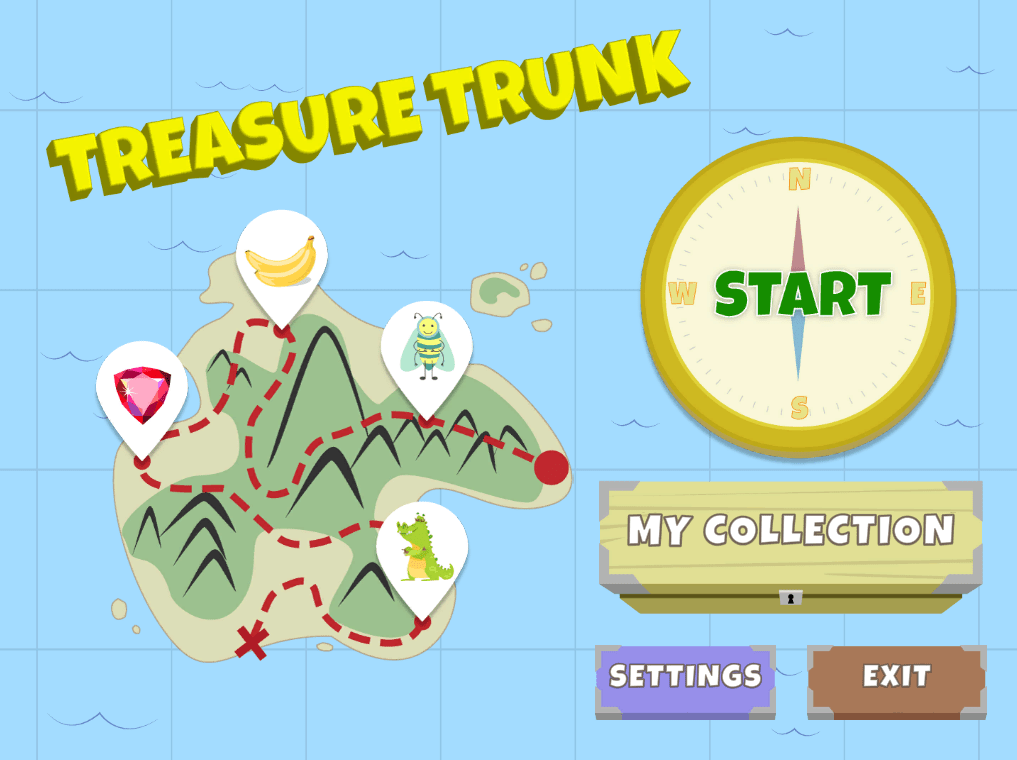
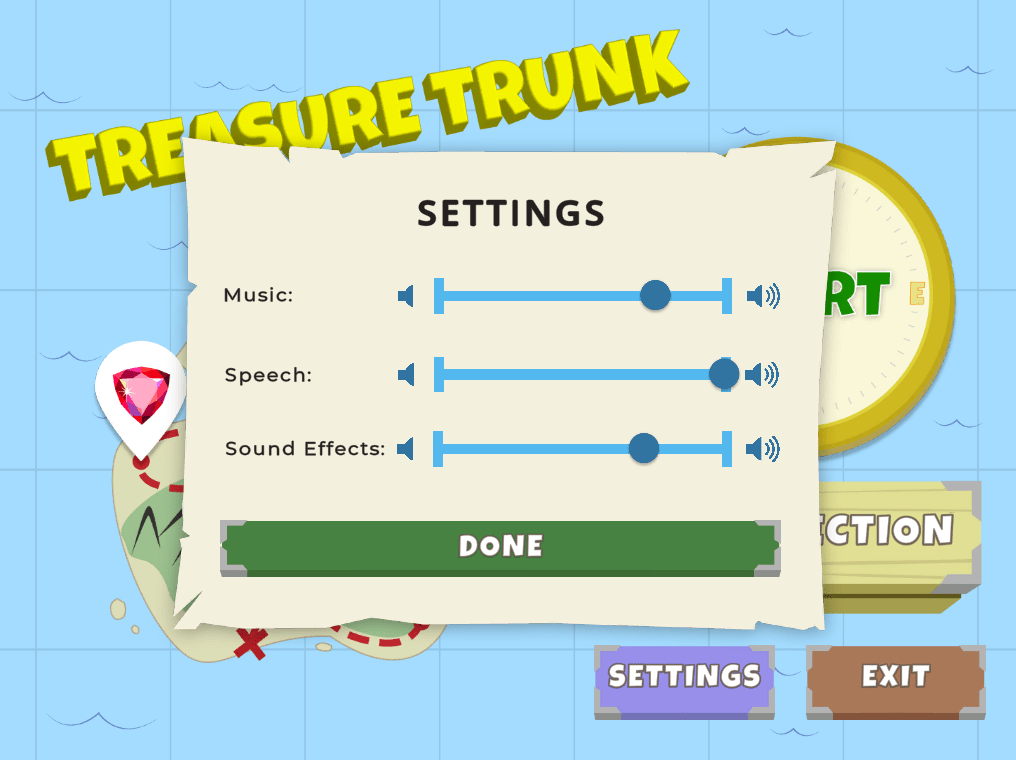
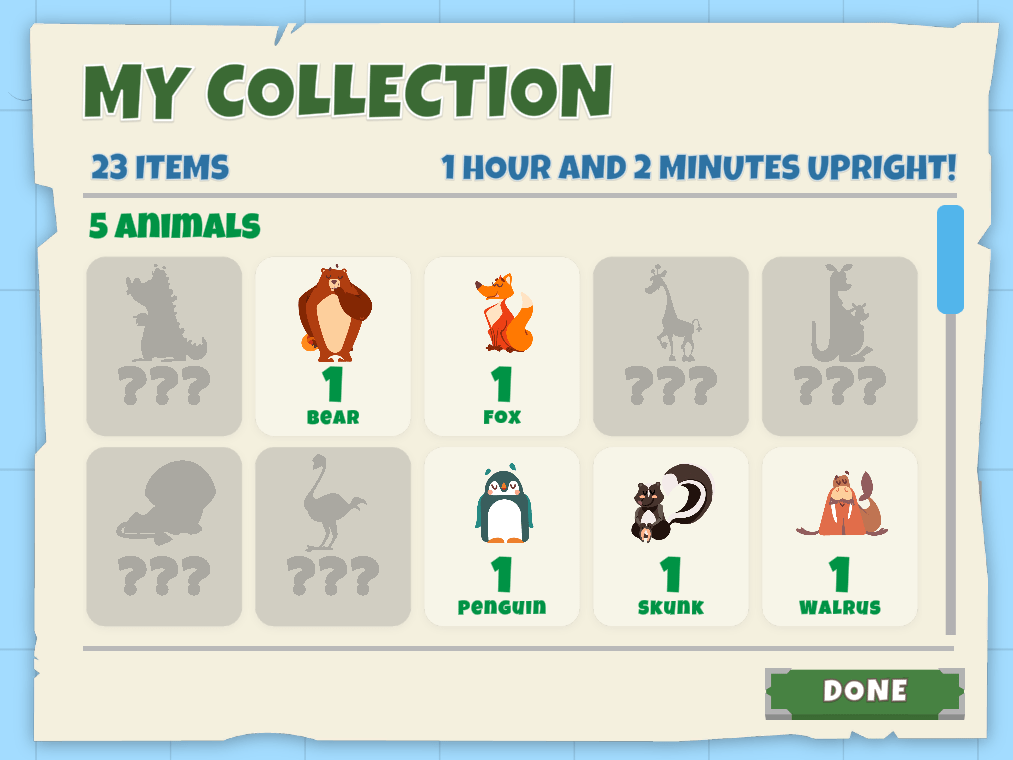
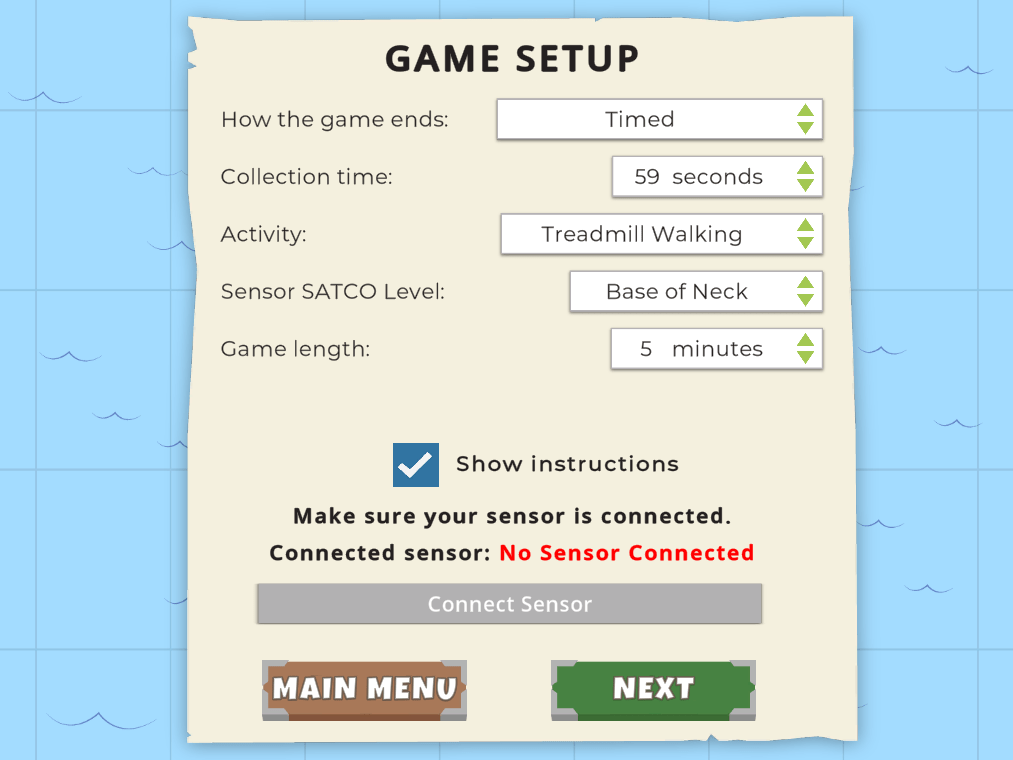
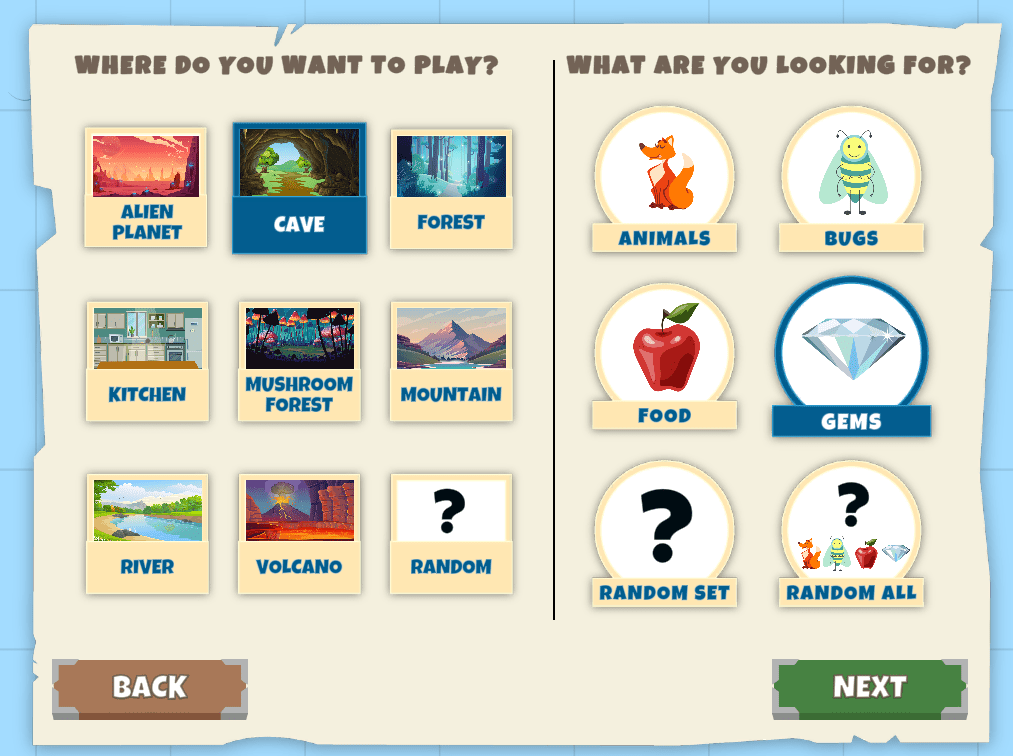

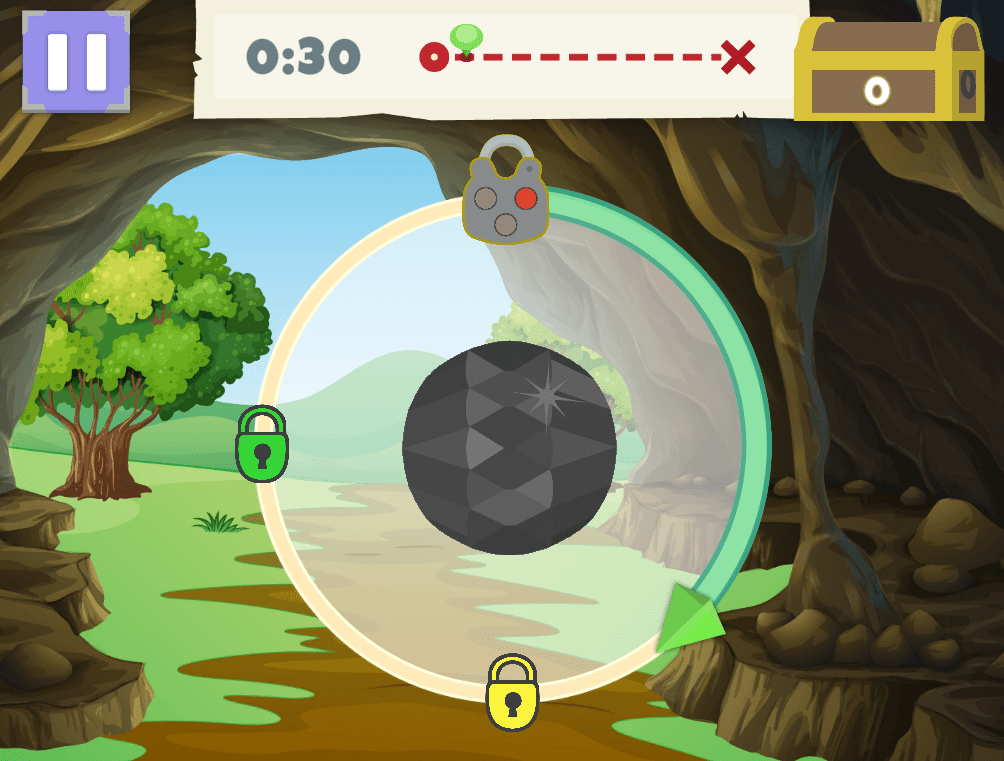
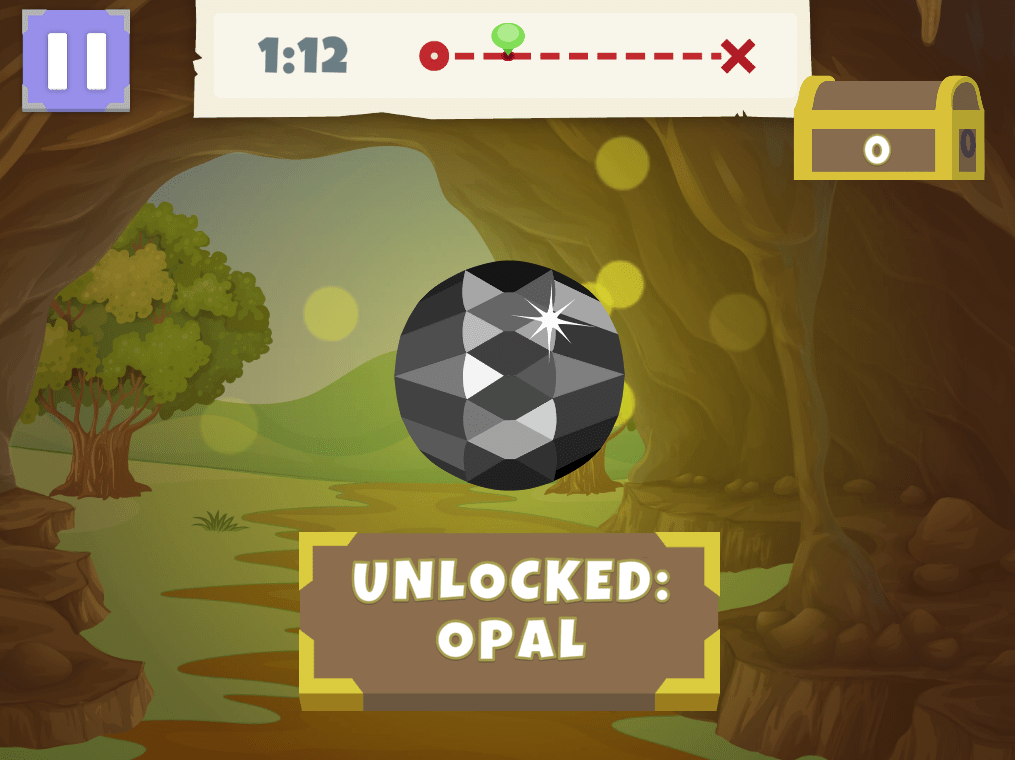
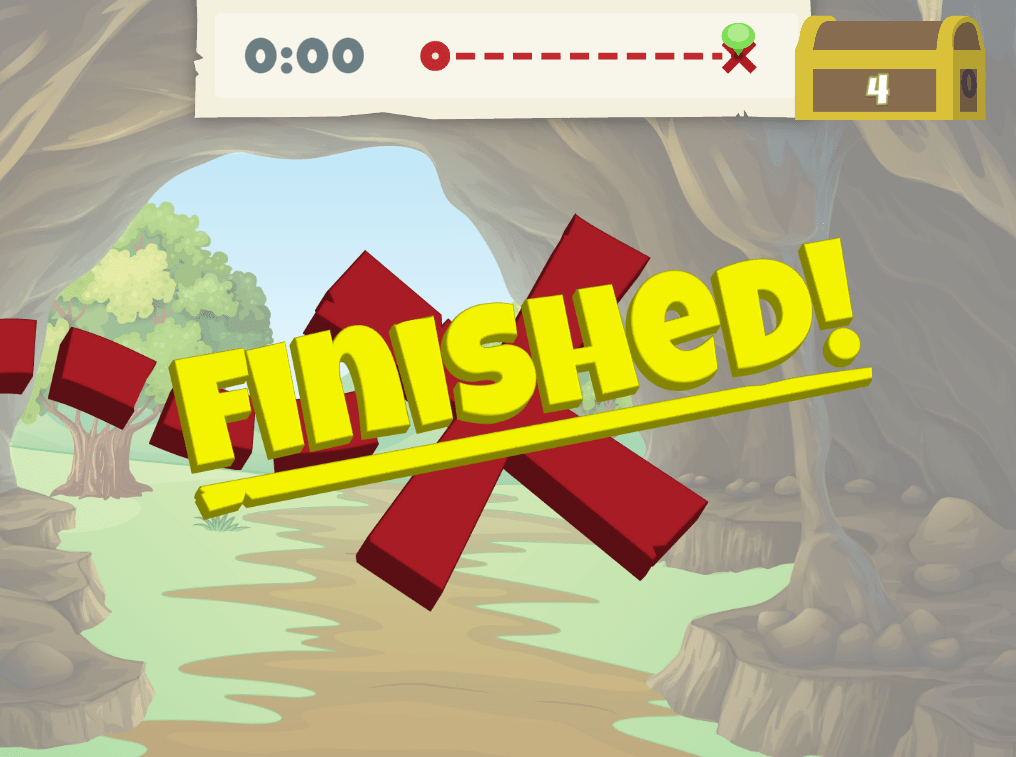
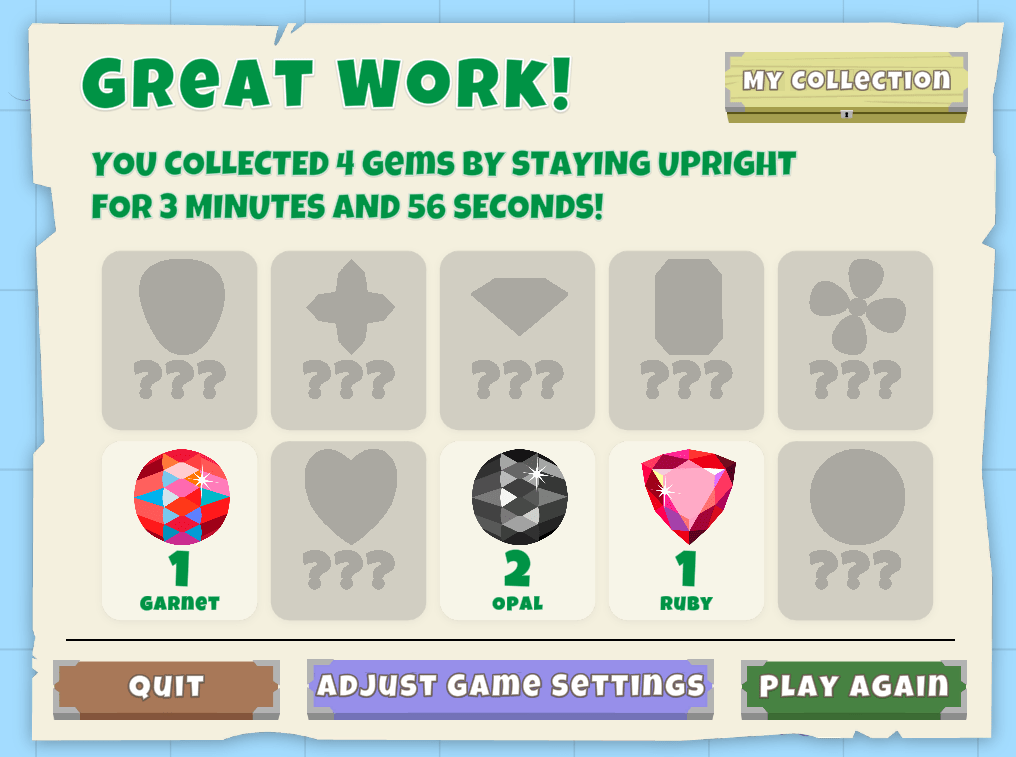
As you can see in the slideshow above, the game is about collecting different items from different locations. The game keeps track of all the items that a player has unlocked, using the Collection Menu. This menu is seen at the end of gameplay as well as from the Starting Menu, so that I player can see what else they can collect.
Setup
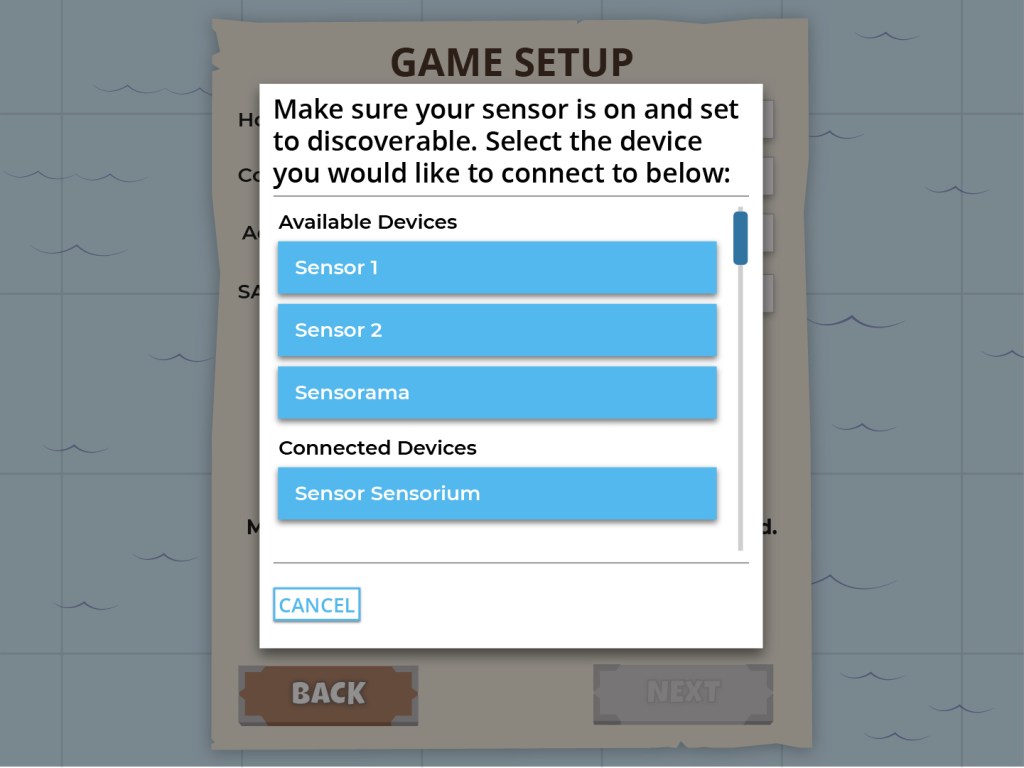
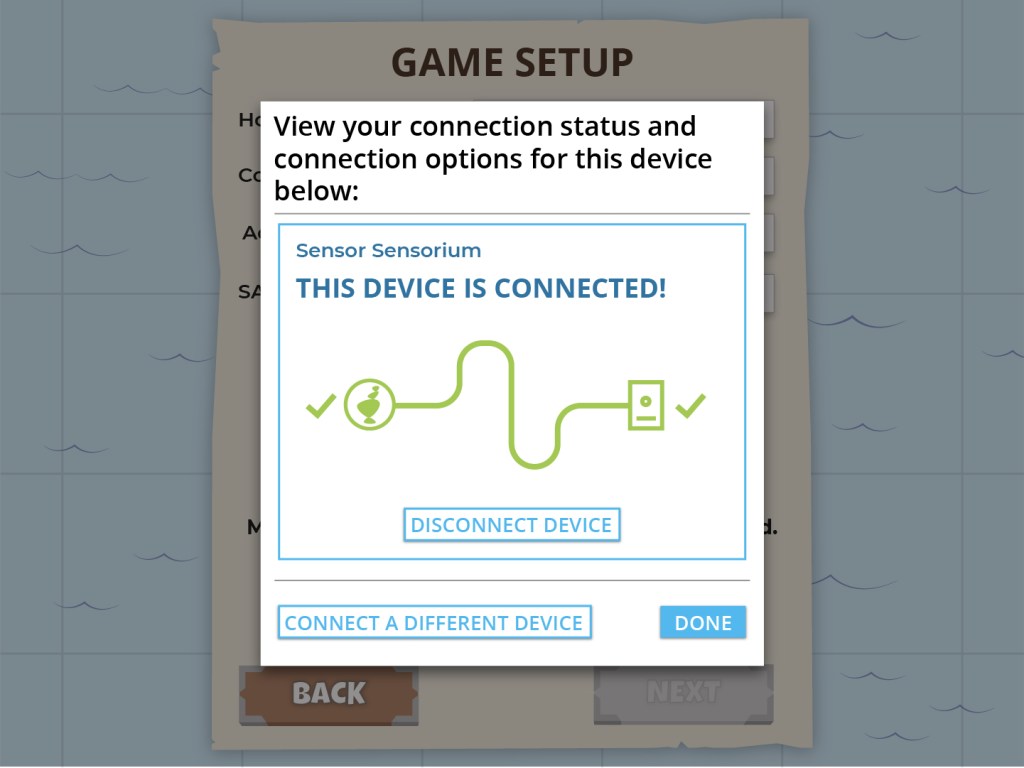
Before the player can start collecting, they have to do a view technical setup things first. This is where the clinician would help connect a sensor to the game using a Bluetooth menu. The sensor system involves custom hardware and software from a company Blue Marble worked with. It uses a sensor that’s about 1″x 1″ and connects to Raspberry Pi computer that hosts a website with a Restful API. My work involved building a bridge to that API in order to connect to the sensor and get its data.
Here’s what the connection menu looked like:


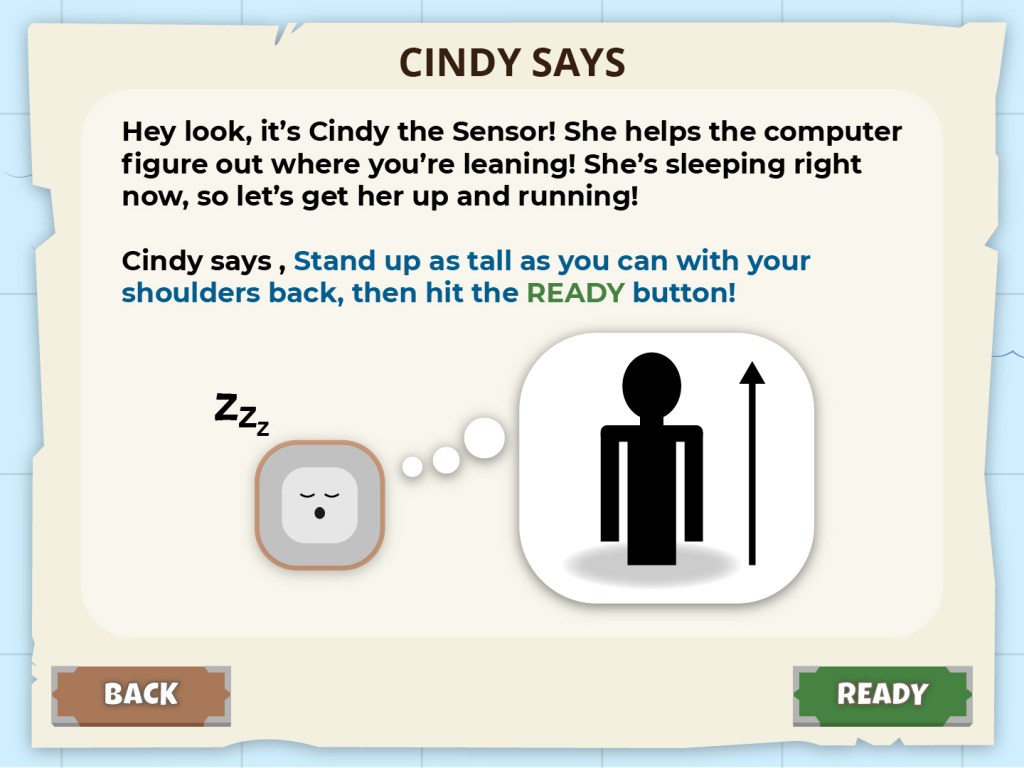
After connecting the sensor, it then has to be calibrated for the child’s posture. This is done by setting the bounds of how far the child is able to move: their best posture, their worst, and how for side-ways they can lean. After capturing their data points, the game is able to track the child’s performance for gameplay.
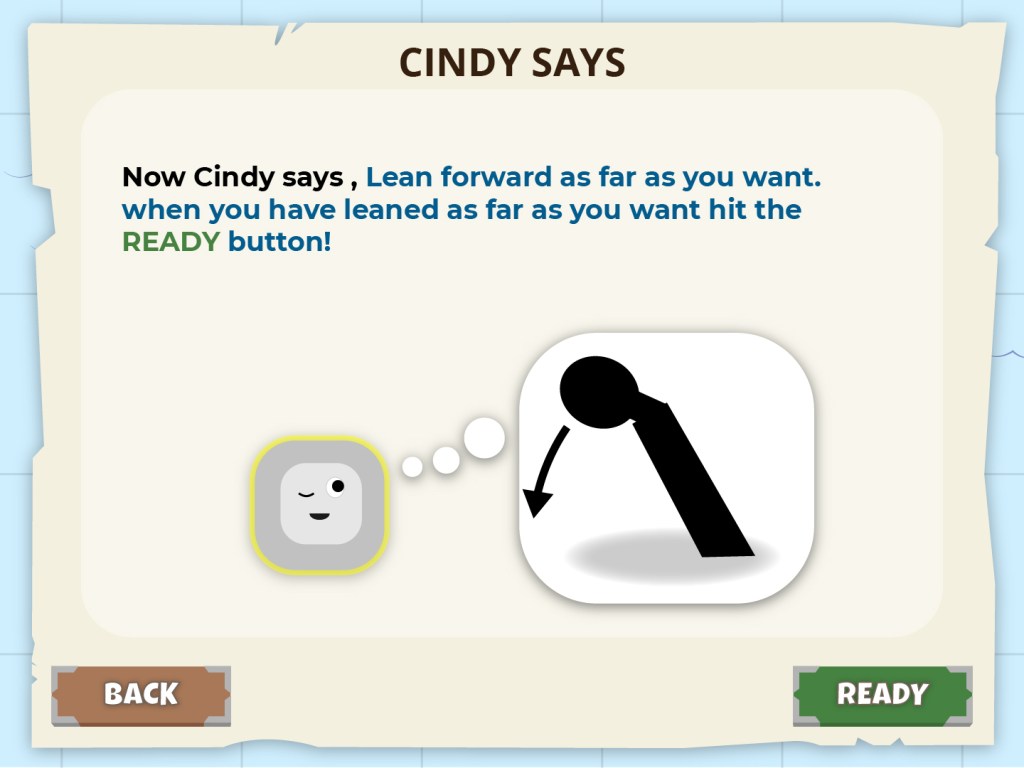
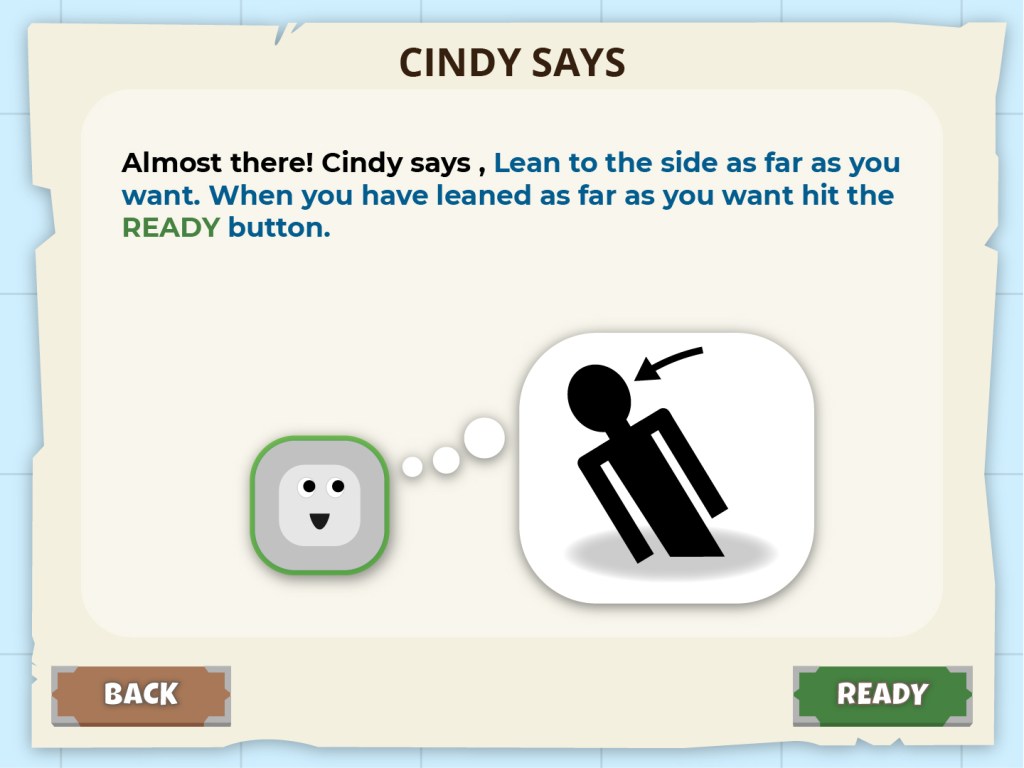
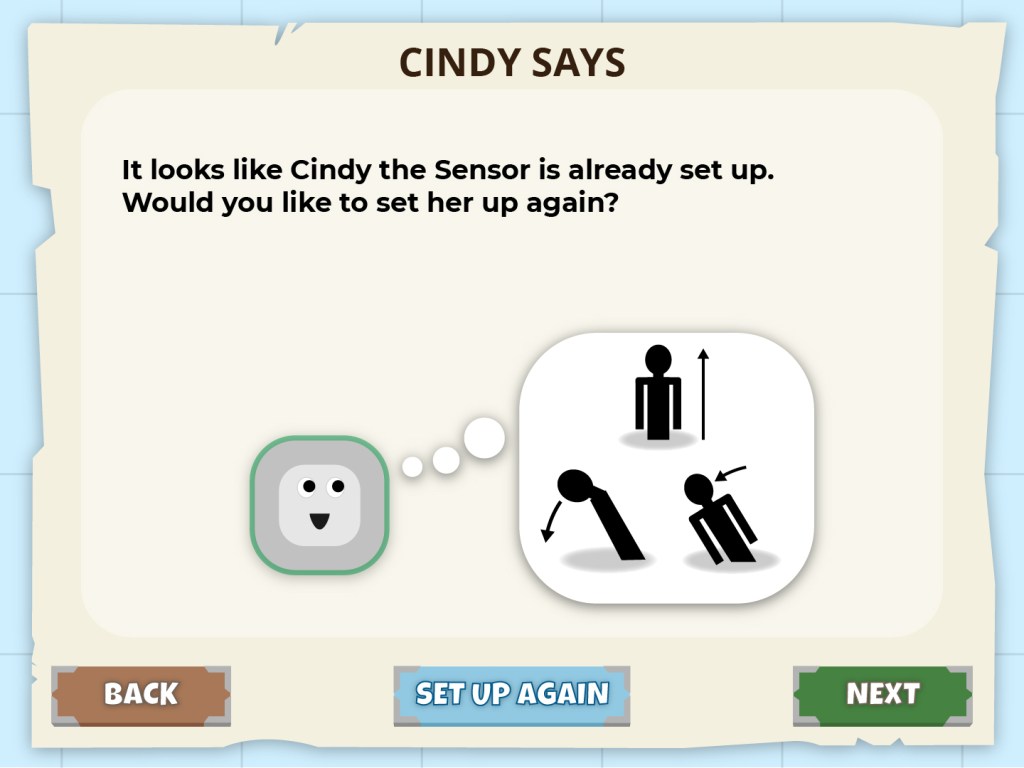
Then the more fun stuff begins. The child is able to pick which location/background they want to play in, and what kind of items they want to collect. I also programed it so that it remembers their choices for the next time they play.

Gameplay
The game loop starts with a search animation, similar to looking through a telescope or magnifying glass. It scans around the screen until landing on a location where an item is hidden. Then a circular progress bar appears in the middle of the screen where a silhouette of the hidden item appears. As the child stays within their good posture threshold, the progress circle starts to fill. As the circle fills, it passes locks that unlock, which then reveal more of what the item looks like. When the circle is filled up (and all locks unlocked) the final image of the item is shown. Then an animated unlock sequence plays, where the item is thrown into the Treasure Trunk in the top-right corner; and the trunk does a fun chomp animation and sound as if it’s being fed treasure.
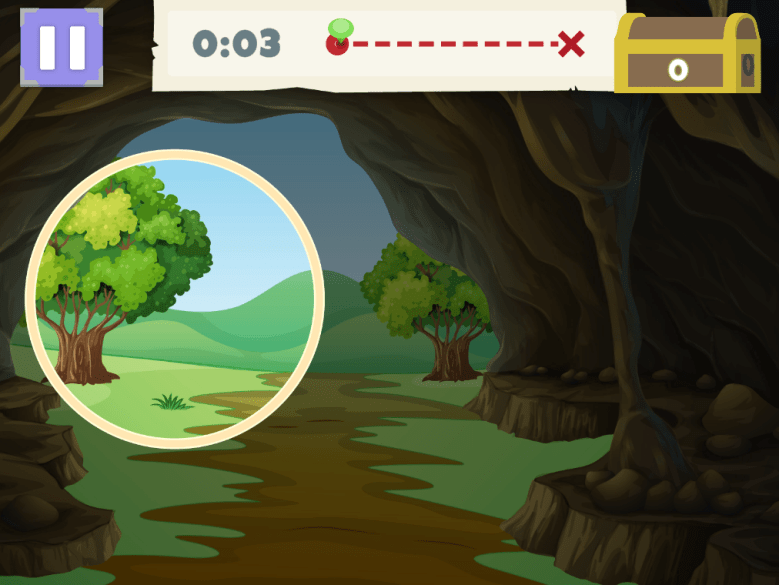
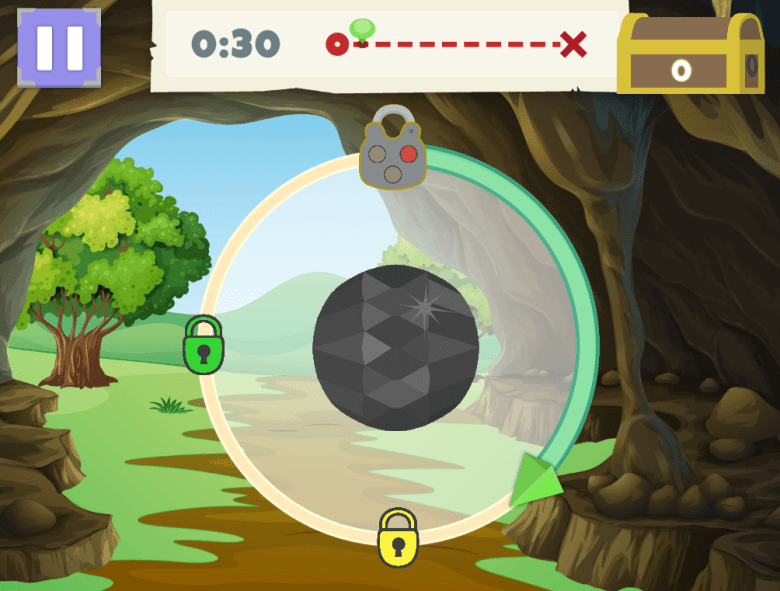
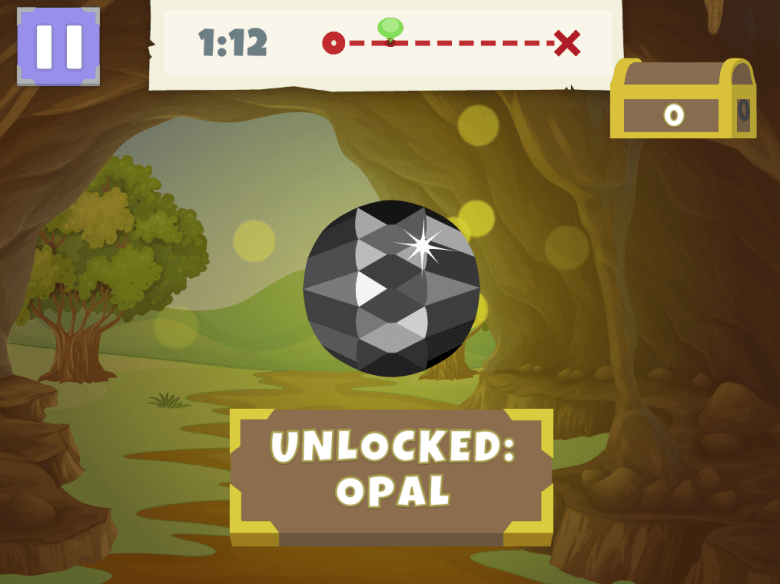
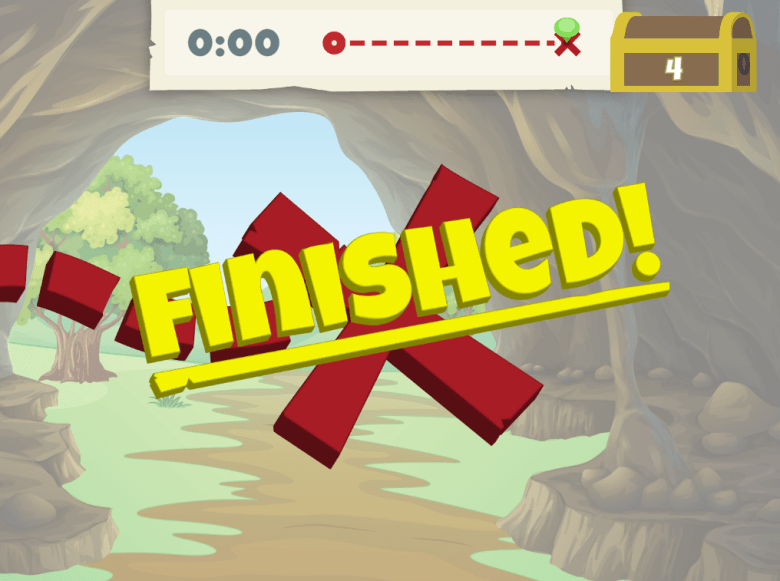
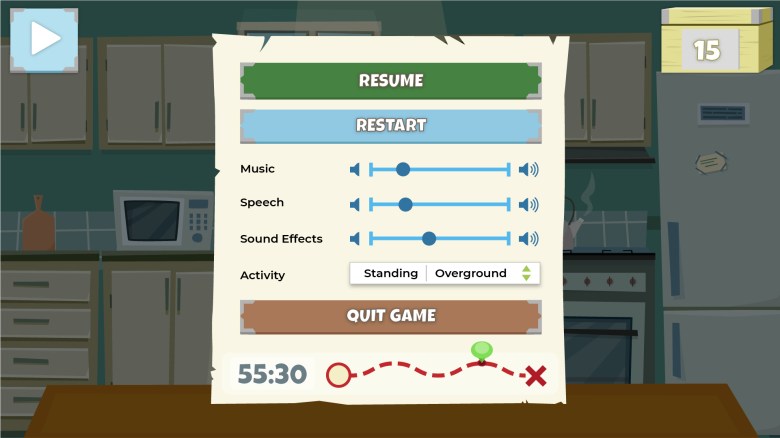
You can also see other elements of gameplay, such as the countdown timer and ability to pause the game.
This design was tested and iterated over for a few months. Some things needed to be changed, like making sure that progress was not taken away if good posture was lost during gameplay. This also allowed more time to add in animations and overall improvements to the game.
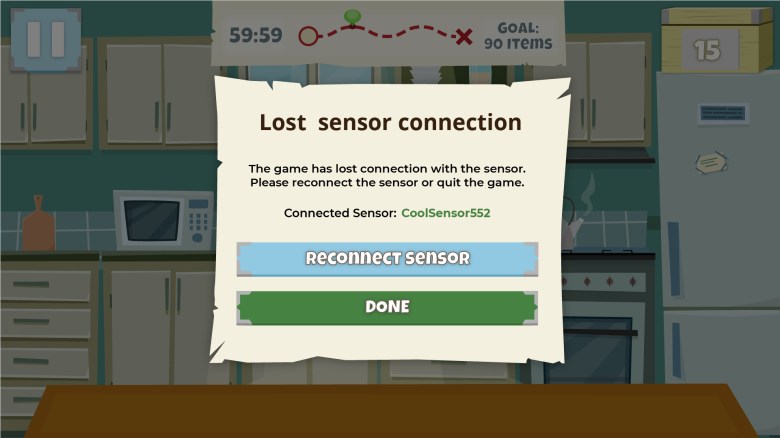
One major challenge I had to solve was how to reconnect the sensor if it got disconnected during gameplay. Without being able to reconnect during the gameplay section, the clinician would have to restart the game and do the calibration steps all over again; which would cut down the time available for physical rehabilitation, and interrupt the process of collecting for the child.
After development on this project was finished, I was a bit sad to move on from it. We still have designs ready to implement more features that would add to the fun and replayability; so I’m still hoping to work on it again.
The best part, by far, was hearing positive feedback from the clinicians during testing and the testimonials from children after development had wrapped up. Physical therapy is a difficult process for these children to go through, for some it was the hardest part of their week; so to hear that playing this game made it more enjoyable and even something they could look forward to, made this my favorite thing I’ve worked on.
 Andrew Truman Neff